
Cardiopulmonary Rehabilitation
What is Cardiopulmonary Rehabilitation Treatment ?
Cardiopulmonary Rehabilitation (CPR) is a structured program designed to help individuals recover from heart or lung conditions, such as heart attack, heart surgery, Chronic Obstructive Pulmonary Disease (COPD), or lung surgery. It combines exercise, education, and counseling to improve cardiovascular fitness, lung function, and overall well-being. The program typically includes supervised physical activity, breathing exercises, lifestyle changes, and advice on managing symptoms, nutrition, and stress. CPR aims to reduce the risk of future heart or lung problems, enhance quality of life, improve endurance, and promote better heart and lung health through a safe and effective recovery process.
How Does Cardiopulmonary RehabilitationTreatment Work?
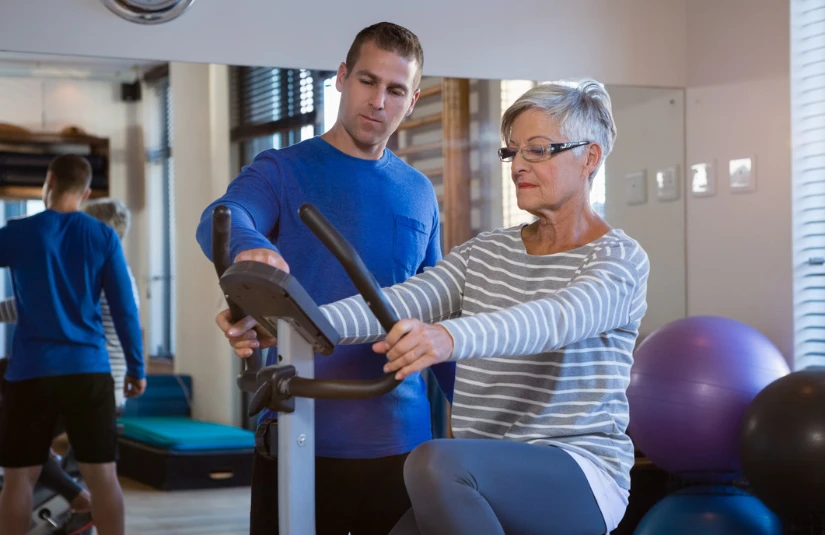
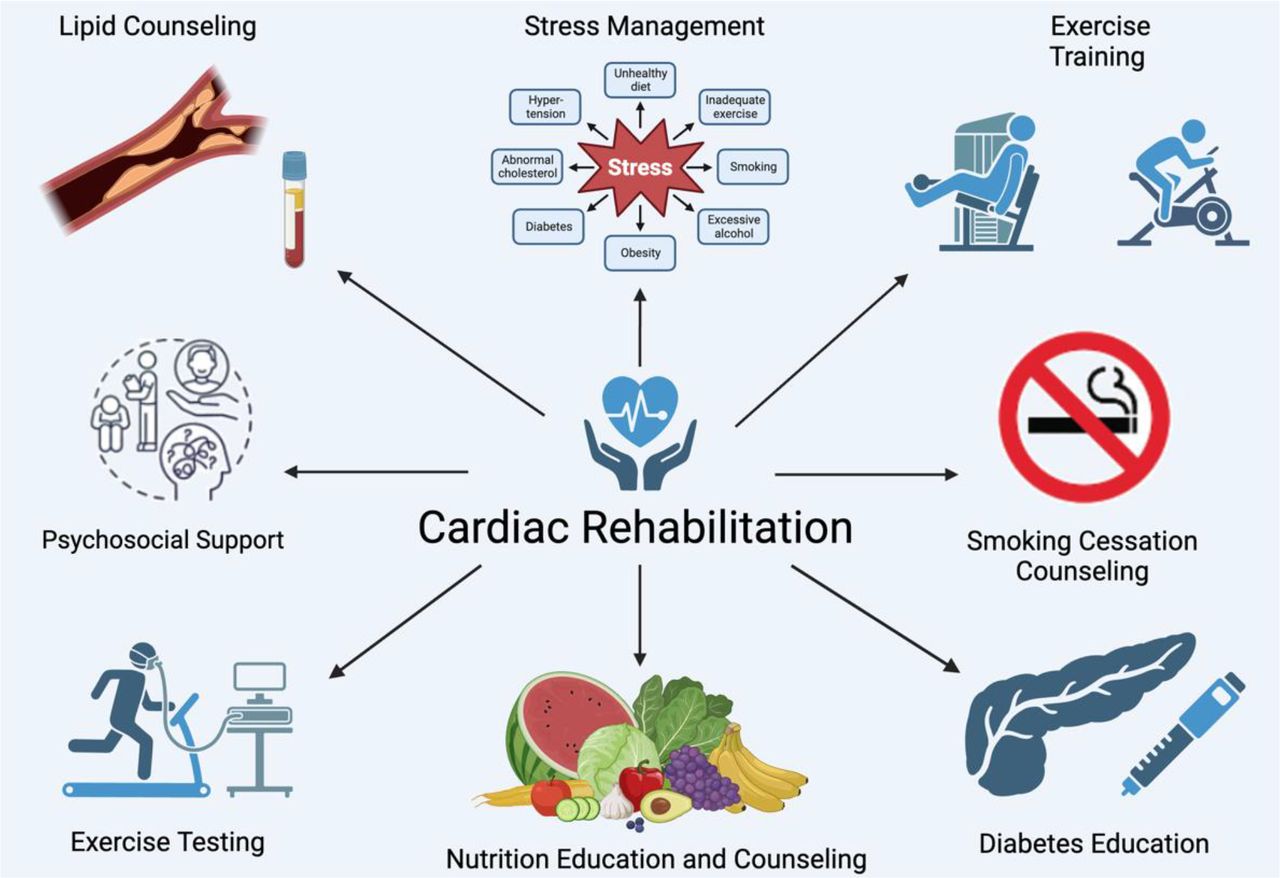
Cardiopulmonary rehabilitation treatment works by combining exercise, education, and support to improve the heart and lung function of individuals with cardiovascular or respiratory conditions. The program begins with an assessment of the patient’s health and fitness levels, followed by a personalized exercise plan that gradually increases in intensity. Exercises may include aerobic training, strength building, and breathing exercises to improve endurance and reduce symptoms. Education focuses on managing risk factors like diet, smoking, and stress. Regular counseling and monitoring help patients track progress, prevent complications, and enhance long-term heart and lung health, promoting an active, healthy lifestyle.

Benefits of cardiopulmonary rehabilitation treatment
1- Improved Heart and Lung Function: Enhances cardiovascular and respiratory health.
2- Increased Exercise Tolerance: Boosts endurance and stamina for daily activities.
3- Reduced Risk of Future Heart Problems: Helps prevent future heart attacks or complications.
4- Improved Quality of Life: Increases overall well-being and independence.
5- Better Management of Chronic Conditions: Helps control symptoms of heart disease, COPD, or other lung conditions.
6- Weight Management: Supports healthy weight loss through exercise and dietary changes.
7- Stress Reduction: Teaches relaxation techniques and mental well-being strategies.